Introduction
In busy businesses, carpets face repeated footfall, tracked-in grit, spills, and pressure from furniture. Without routine care, fibres can look dull, hold stains, and wear unevenly, affecting the impression a workplace makes. A maintenance plan helps managers spot problems early, schedule cleaning around operations, and protect a substantial flooring investment. It also gives staff clear daily tasks, rather than leaving upkeep to chance. Consistent records can show whether the chosen schedule is working.
Make Appearance Part of Operations
Reception areas, corridors, and meeting rooms often receive different levels of use. A local provider’s carpet cleaning adelaide page describes commercial cleaning among its services, which can help businesses assess options for scheduled care. Before arranging work, managers can note busy zones, stain patterns, operating hours, and access needs. Those details make it easier to discuss a practical service plan without interrupting customers or staff.
Map Foot Traffic
A simple floor plan can show where soil builds up fastest. Entryways collect grit, while corridors carry repeated movement between departments. Managers can mark these areas and inspect them on a set day each week. A short checklist might record visible spots, mat condition, and changes in pile appearance. This basic tracking helps cleaning teams focus effort where it matters most, rather than treating every room alike.
Reduce Wear From Soil
Dry soil acts like an abrasive when people walk across carpet. Regular vacuuming removes loose particles before they settle deeper into fibres. High-use zones may need daily passes, while quieter rooms can follow a lighter schedule. The right frequency depends on traffic, floor type, and building conditions. Staff should empty vacuum containers as needed and report damaged equipment, since poor suction can leave debris behind.
Set a Cleaning Schedule
A useful programme combines daily, weekly, and periodic tasks. Daily care may include vacuuming entrances and removing fresh spills. Weekly checks can cover edges, furniture marks, and mat placement. Deep cleaning should follow the carpet maker’s care guidance and the site’s soil levels. Written intervals give teams a consistent reference, while seasonal reviews allow adjustments after weather changes or shifts in occupancy.
Act Quickly on Spills
Prompt treatment can limit staining and reduce the chance of residue attracting more soil. Staff should blot liquid with a clean absorbent cloth, working from the outer edge inward. Rubbing can spread a mark or distort fibres. Any cleaning solution should be tested in a hidden area, then used according to label directions. A spill log can note location, material, response time, and any follow-up required.
Use Professional Cleaning Wisely
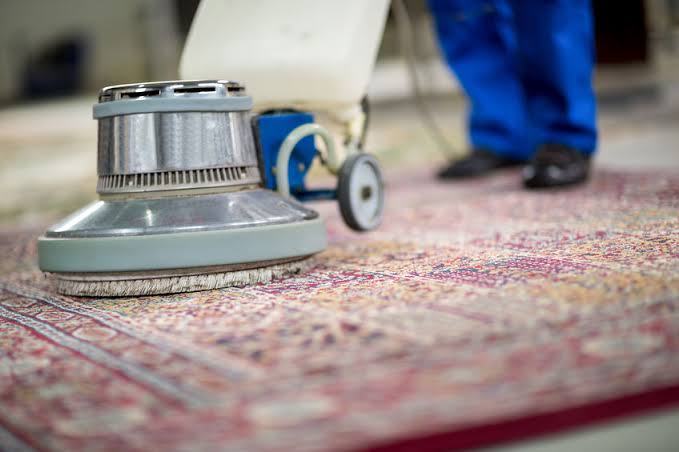
Periodic hot water extraction or another suitable method can remove embedded soil that routine vacuuming cannot reach. The best method depends on fibre type, backing, soiling, and manufacturer guidance. A qualified cleaner can inspect the surface and explain preparation, drying time, and access limits. Businesses should arrange work outside peak hours where possible, then allow the carpet to dry fully before reopening the area.
Protect Indoor Comfort
Carpets can hold dust and other particles until cleaning removes them. Regular vacuuming with suitable filtration, along with planned deep cleaning, supports a tidier interior. Maintenance also helps prevent stale odours caused by residue or dampness. Leaks and wet patches need fast attention, because prolonged moisture can damage backing and underlay. Staff should report persistent smells or damp sections rather than masking them with fragrance.
Keep People Safe
Loose mats, curled edges, and damp flooring can create trip or slip risks. Routine checks should include entrances, joins, transitions, and recently cleaned sections. Warning signs and temporary barriers can keep people away while a wet area dries. Furniture should be moved carefully, with protective pads returned to their proper places. A clear reopening check helps confirm that walkways are dry and unobstructed.
Track Results and Costs
Managers can compare cleaning records with visible condition, complaint reports, and repeat stain locations. Useful measures include inspection scores, response times, and the number of maintenance visits per quarter. If marks return quickly, entry mats or spill procedures may need review. A planned budget can cover routine supplies, scheduled services, and urgent treatment. Tracking these items makes costs more predictable and supports better decisions about flooring care.
Conclusion
Regular carpet maintenance is a practical part of running a clean, safe business. Daily vacuuming, prompt spill response, scheduled deep cleaning, and documented inspections each address a different source of wear. A site-specific plan can focus effort on busy zones while limiting disruption to staff and visitors. By recording condition and adjusting routines as traffic changes, managers can maintain a more professional appearance and extend the useful life of commercial flooring.