Introduction
Effective floor care depends on more than detergent and repeated passes. The amount of water left in a mop affects soil removal, drying time, and the risk of streaks or slips. Too much moisture can spread dirty water, while an overly dry head may leave grime behind. Consistent wringing gives cleaning teams better control over each pass. A simple routine also makes results easier to assess across rooms, shifts, and different floor surfaces.
Control Moisture Before Each Pass
A mop head should be damp enough to loosen soil, but not dripping. Selecting mop buckets with wringer gives staff a practical way to remove excess liquid before cleaning begins. A controlled squeeze can reduce puddles and limit water dragged across the floor. The right pressure depends on the mop, cleaning solution, and surface, so teams should follow product guidance and check results during use.
Reduce Residue and Streaking
Excess solution can leave visible marks as water dries, especially on smooth floors. Wringing helps limit the amount of liquid spread over each area. It also reduces the chance that detergent will remain in concentrated patches. If streaks appear, staff can review dilution, mop cleanliness, and wringing pressure before increasing chemical use. A small adjustment may correct the finish without adding another cleaning step.
Limit Dirty Water Transfer
A saturated mop can carry soil from one section into the next. Regular rinsing, followed by firm wringing, helps remove loosened dirt before another pass. Cleaning teams can divide floors into manageable zones and change the solution when it becomes visibly dirty. This approach lowers cross-transfer risk and keeps the mop working with cleaner liquid, rather than redistributing grime along the route.
Shorten Drying Time
Less water on the floor generally means less liquid must evaporate before the area is ready for use. Wringing can therefore support quicker reopening, although airflow, temperature, and surface type also affect drying. Staff should keep foot traffic away until the floor is dry and safe. For busy entrances, measured moisture control can help reduce disruption without skipping necessary cleaning.
Protect Different Floor Types
Floor materials do not all tolerate the same moisture level. Sealed tile may withstand damp mopping, while some wood, laminate, or stone surfaces require less water and specific care. Staff should check manufacturer instructions before setting a wringing routine. A consistent method can still allow adjustments for each area. Clear labels or a site checklist help prevent one setting from being used everywhere.
Make Each Pass More Productive
A well-wrung mop glides more easily than a heavy, waterlogged head. That can make coverage steadier and reduce the effort needed to move equipment. Staff can use overlapping strokes, then inspect the cleaned section under normal lighting. If soil remains, a fresh rinse or targeted treatment may work better than repeatedly pushing dirty liquid across the same patch.
Set a Repeatable Routine
A short sequence helps different staff achieve similar results. The routine can specify when to rinse, how firmly to wring, and when to replace the solution. Supervisors can observe a few cleaning cycles and note whether floors dry evenly or show residue. These simple checks create useful operational measures, including solution-change frequency, drying time, and missed spots.
Match the Wringing Method to the Mop
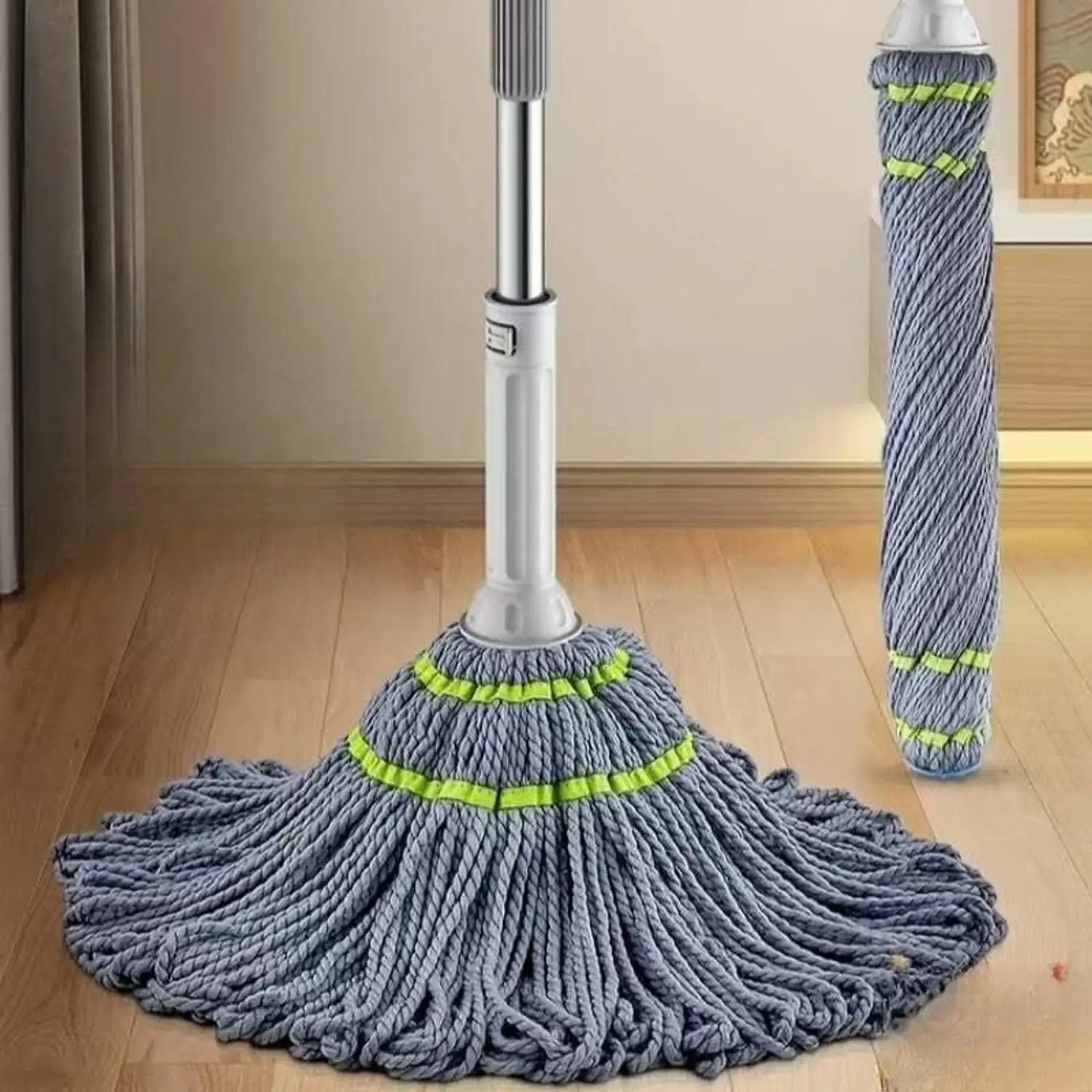
String, flat, and microfibre mops hold and release water differently. A wringer that suits one head may leave another too wet or too dry. Staff should test the chosen combination on a small area, then check soil removal and drying. Equipment condition matters too. Worn wringer parts or damaged mop heads can make moisture control inconsistent, even when the process is followed.
Support Safety and Hygiene
Controlled wringing reduces drips around buckets and limits excess water on walking surfaces. Staff should place warning signs near active work areas and keep equipment out of traffic paths. Gloves and clean replacement heads can support hygienic handling. Any spill should be addressed promptly, rather than left for the floor to dry on its own. Safe work practices remain essential throughout the task.
Conclusion
Proper wringing turns a basic movement into a practical control for floor care. It helps manage moisture, reduce residue, limit soil transfer, and support safer drying. Results improve when teams match pressure to the mop and floor, follow a repeatable sequence, and check the finished surface. A few consistent habits can reduce rework while keeping rooms cleaner and ready for use. Regular reviews also help identify worn equipment or steps that need adjustment.