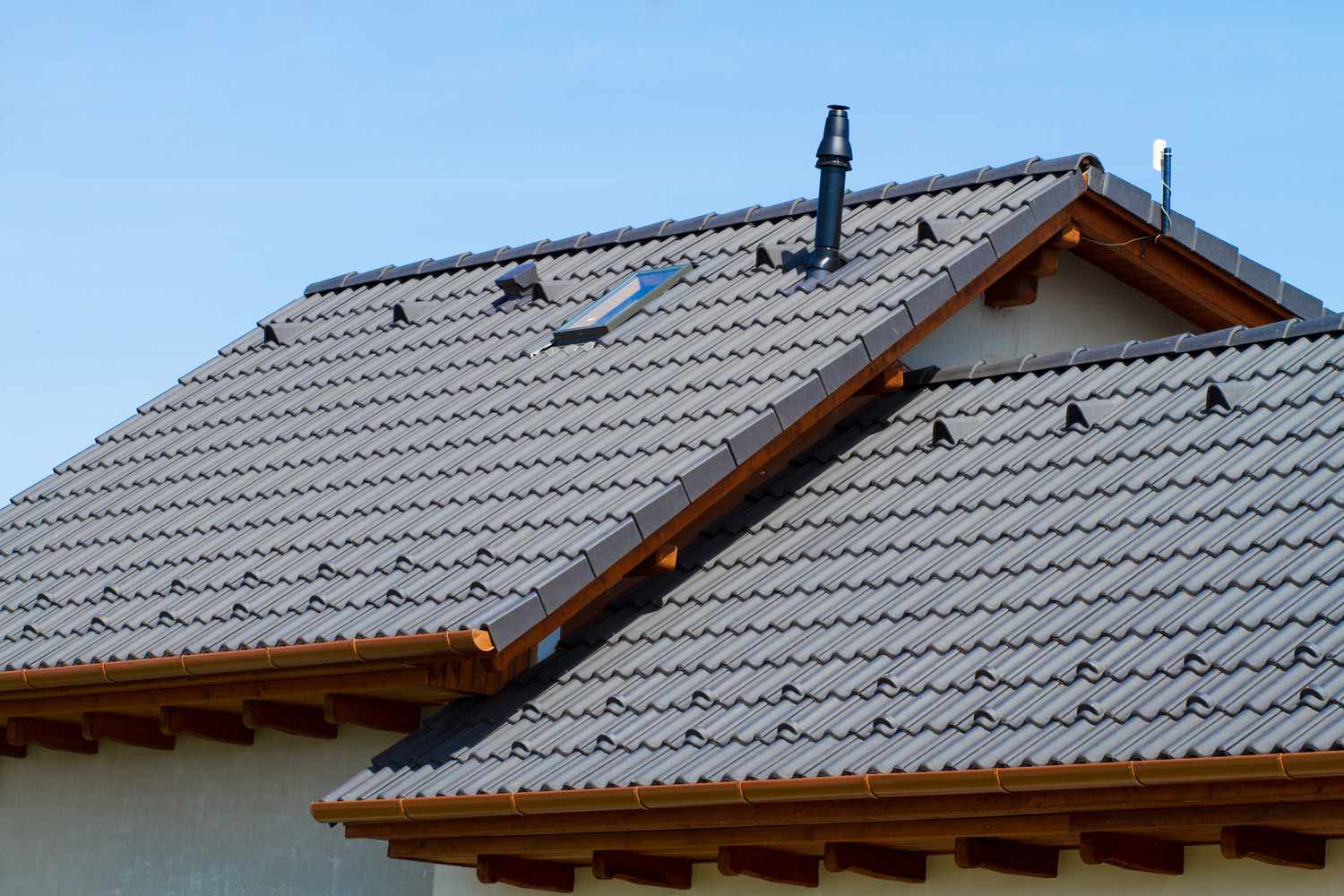
Langwarrin sits on the edge of Melbourne’s south-east sprawl, where leafy streets and family homes meet the reality of shifting conditions through the year. The mix of cooler winters, damp mornings, and the occasional burst of heavy rain can slowly wear down roofing materials, especially when moss builds up in shaded spots or gutters struggle after a windy week. That is when problems start travelling from the roof space to the ceilings and walls.
So what does a proper restoration actually cover, and why does it matter for long-term value? With roof restoration in Langwarrin, the work usually begins with a detailed inspection, followed by deep cleaning that strips away grime and growth so hidden damage is easier to spot. Repairs come next. Let’s understand what roof restoration services include to gain better insights if you are considering them.
Initial Inspection and Assessment
At the start of any roof restoration lies a detailed inspection. Experts will inspect your tiles, flashing, gutters, and structural timbers. They check for any cracks, leaks, or signs of water damage. Early detection means that you can fix visual problems. Professional assessors report the findings to property owners. Assured customers are made aware of the present state of their roofs and the work they should expect in the future, thanks to clear reporting.
Cleaning and Surface Preparation
High-pressure cleaning can remove accumulated dirt, moss, and lichen. Surface cleaning (this removes debris, dirt, dust, and other contaminants with high-pressure cleaning.) This step ensures that the repairs are bonded properly. By cleaning the surfaces, professionals are able to identify damage that wasn’t visible before. Prep work ensures success for all future stages of restoration. Good roof preparation creates the perfect base for a permanent finish.
Repairing Damaged Sections
Restoration typically includes placing broken tiles, sheets, or shingles. Technicians fix cracked mortar or loose ridge capping. Technicians address minor leaks before they develop into more serious problems. By repairing these areas, it stops water from getting in and allows it to deteriorate further. Repairs done in time help keep the structure stable. In the long run, dealing with defects quickly saves money.
Gutter and Downpipe Maintenance
A leaky roof can be especially damaging; some of the reasons include blocked or damaged gutters. The restoration crews clear leaves, branches, and silt. It fixes parts that are holes or rotted out Downpipes that are doing their job ensure that the water leaves the building safely. Cleaning gutters twice a year protects the roof as well as the foundation. Proper drainage prevents future flooding issues.
Protective Coatings and Sealing
Most roofs are then treated to serve as a wafer-tone in a golden plum after receiving repairs. These protective coverings defend surfaces against weather and UV rays. They are sealed using tiles or metal sheeting to prevent moisture from entering. The waterproof covering minimises the chances of any leaks in the line, revealing the original colour, which adds to the appearance, as do protective finishes. Restorative works are less frequent due to sealers.
Re-Pointing and Re-Bedding
Roof ridges often require repointing. If ridge caps have moved, there may be a need for re-bedding. These steps help to hold the ridge tiles down and keep the wind or rain from lifting them. Proper re-pointing bolsters the structure’s strength and increases its resilience against severe weather conditions. This safeguards against further storm damage.
Roof Painting and Finishing Touches
Painting is typically the next step upon completion of repairs and sealing. Paints that reinvigorate the colourful hue of the roof. Paint also serves as an additional shield from the elements! It means a higher aesthetic property value as well. You could also consider replacing worn-out fixtures or installing new vents. A fresh coat of paint and a few small upgrades give it a clean and rejuvenated look.
Final Inspection and Quality Assurance
After restoration, a final inspection is conducted to ensure high standards are met. Technicians review each step to guarantee they don’t overlook any issues. And any small problems that arise are fixed right away. Putting a system in your home lets you sleep at night. The system comes with documentation and a warranty to ensure long-lasting results. The last step is defining ongoing maintenance.
Long-Term Benefits of Roof Restoration
Roof restoration helps to extend the life of roofing materials. It also helps to reduce the number of leaks, draughts, or insulation problems around the house. Enhancing energy efficiency reduces utility costs. A good roof boosts property value. Periodic restoration also minimises expensive emergency repairs. Routine roof care leads to lasting results for any property.
Conclusion
Roof restoration is more than just a stopgap measure. Professional treatment guarantees meticulous attention to every step. Homeowners are rewarded with an attractive, refreshed roof that protects against Mother Nature. Frequent restoration safeguards investments, thereby producing spaces that are comfortable and safe to live in. A property’s number one defence against the elements and the passage of time is a roof in good standing.