Mechanically polished concrete floors have become a preferred choice for both residential and commercial spaces. Their remarkable strength and enduring beauty draw attention everywhere. Many appreciate these surfaces for their long life and minimal maintenance requirements. But what makes these floors stand out in terms of durability? This post explores the features and processes that contribute to their impressive resilience.
Surface Hardening Process
Mechanical polishing is a process that grinds the surface of the concrete with increasingly fine abrasives. With each pass, the flaws are eliminated, and a smoother surface is revealed. This process results in a compacted surface, making it challenging for dust and dirt to settle. Mechanical polished concrete yields a floor that is more wear and abrasion-resistant.
Densification for Extra Strength
Densifiers are applied during the mechanical polishing process. The densifier chemically reacts with the concrete to form a harder surface. This chemical bond fills small holes and reduces the porosity of the floor, helping keep moisture out. Such surfaces are less prone to cracking or chipping over time.
Resistance to Stains and Chemicals
One of the most well-known benefits of mechanically polished floors is their stain resistance. The fine grinding process removes weak points where the stains may be formed otherwise. Densifiers make this even more effective by closing very small pores. This causes the floor to be more resistant to liquids and chemicals penetrating the surface. This makes the surface look spotless for years.
Minimal Maintenance Needs
These floors are easy to clean and durable, requiring less effort and maintenance. They are different from most surfaces in a way that they need no waxing or frequent sealing. Routine cleaning, including mopping and sweeping, is typically sufficient. They look and work great for so long, even with minimal care, becoming an appealing option for many owners and facility managers.
Superior Wear Resistance
Many different types of flooring can be damaged by repeated foot traffic. On the flip side, mechanically polished concrete holds up against regular wear and still looks good as new. The compact surface is scratch and scuff-resistant, meaning it can stay smooth for longer. These floors hold their finish even in high-traffic areas.
Thermal Stability
Floors that need to endure temperature fluctuations will likely expand and contract, resulting in cracks or surface degradation. Polished concrete is an indoor floor covering that can withstand temperature extremes without damage. Its unique composition and finish process protect against unsightly cracks in any type of environment for a longer duration.
Environmental Benefits
There is an increase in the importance of the sustainability of a material. Mechanically polished floors preserve the existing slabs and reduce the amount of new material needed, making it an effective, sustainable alternative. This method reduces waste and minimises the environmental footprint. Varnishes and adhesives are not used, thus releasing fewer harmful substances into the atmosphere.
Allergen Reduction
You will never find dust mites or pollen in smooth, polished surfaces. This option is very useful for all those who are allergic to indoor pollutants. Easy cleaning also contributes to a clean and healthy environment. That benefit appeals to a lot of families and facility managers.
Long-Term Cost Savings
While it may cost quite a bit more to have these floors installed initially, the longevity of a mechanically polished concrete floor pays off in the long run. Fewer repair, replacement, and cleaning products are needed. These floors result in less downtime for businesses and families due to repairs or replacements. The maintenance schedule leads to fewer disruptions. In addition to the longevity of the surface, these savings make this an overall good investment.
Attractive Appearance
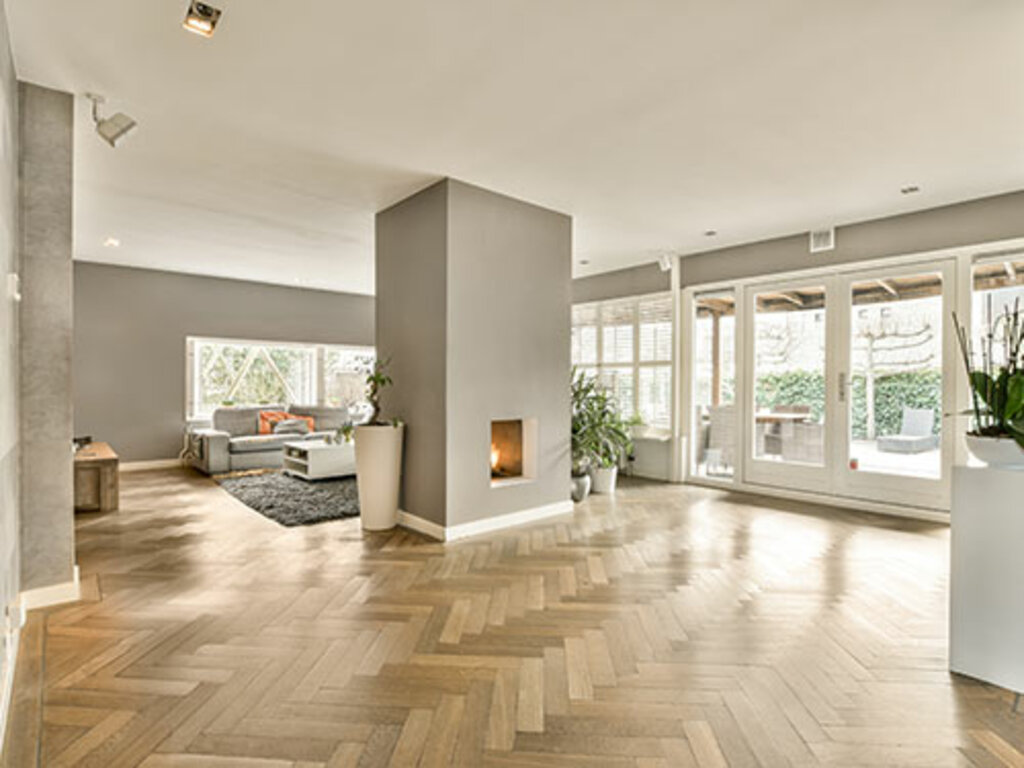
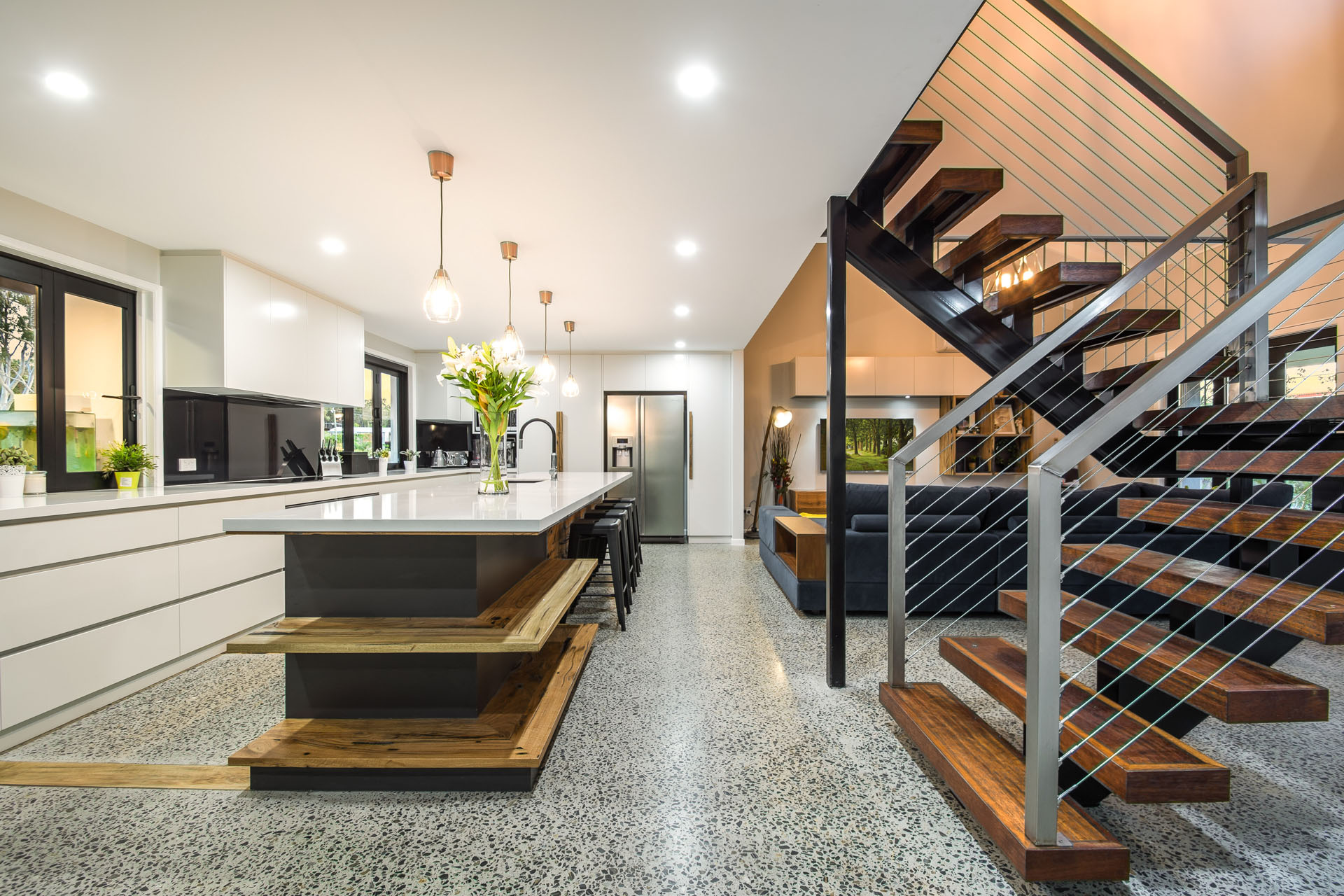
You do not have to choose between resilience and aesthetics. With an even shinier, more refined appearance, mechanically polished concrete functions well with many design styles. The reflective surface brightens interiors and conceals minor imperfections. The combination of aesthetic appeal and durability makes these floors an attractive option in a wide range of settings.
Conclusion
The strength of mechanically polished concrete floors comes from surface treatment, densification, and the skill of the finisher. This allows them to resist wear, stains, and temperature changes in a way traditional flooring simply cannot. These surfaces bring value and beauty that lasts with little maintenance. Mechanically polished concrete has a lot to offer to those who want a reliable, aesthetic, and sustainable flooring option that lasts for a long time.