Home maintenance is a vital aspect of property ownership. Among the many areas requiring attention, the roof often plays the most critical role in protecting a home. Over time, weather conditions, material wear, and structural shifts can damage roofs, making repairs or replacements necessary. Homeowners seeking cost-effective solutions must understand the range of affordable reroofing options. Choosing the right approach can improve durability, prevent leaks, and maintain property value without excessive expenditure.
This article explores practical solutions for homeowners considering reroofing, focusing on methods that balance affordability with long-term effectiveness. It emphasizes clear, straightforward strategies while avoiding overly technical jargon.
Assessing Roof Condition
Before deciding on a reroofing method, homeowners should thoroughly inspect their current roof. Visual inspections can reveal missing shingles, rusted metal components, or signs of water damage. Structural issues, such as sagging or uneven surfaces, often indicate more extensive repair needs.
Professional inspections provide detailed assessments of material lifespan and underlying damage. Contractors can identify areas where minor repairs may suffice, potentially saving significant costs. Homeowners should prioritize roofs with minimal structural deterioration, as severe damage often requires full replacement rather than partial fixes.
Choosing Roofing Materials
Material selection plays a crucial role in both cost and longevity. Affordable options vary in durability, appearance, and installation complexity.
Asphalt Shingles
Asphalt shingles are widely recognized for their balance between affordability and performance. They provide reliable weather resistance and can last up to two decades with proper maintenance. Installation is relatively straightforward, which can reduce labor expenses. Homeowners may choose from a range of colors and textures to match the property’s style.
Metal Roofing
Metal roofing has gained popularity due to its durability and low maintenance requirements. Lightweight metal panels can resist wind, rain, and fire, offering long-term protection. While the initial cost may be higher than asphalt shingles, metal roofing often proves cost-effective over time due to lower maintenance and longevity. Homeowners can select materials such as steel or aluminum, each with distinct advantages in durability and appearance.
Composite and Synthetic Materials
Composite roofing materials combine recycled substances and modern polymers to create resilient alternatives. They can mimic the appearance of traditional materials, such as slate or wood, while remaining lighter and more affordable. Synthetic options offer excellent resistance to water and temperature fluctuations, making them suitable for regions with variable climates.
Partial Reroofing Solutions
Not every roof requires complete replacement. Partial reroofing can provide a budget-conscious solution while addressing specific areas of concern.
Overlaying Existing Shingles
In some cases, homeowners can install new shingles directly over existing layers. This approach reduces labor and disposal costs while providing an updated appearance. However, overlaying is only advisable when the underlying structure is sound and free of moisture issues. Excessive layers may cause weight concerns, so inspections are essential before proceeding.
Sectional Repairs
Targeted repairs focus on replacing damaged or worn sections of a roof. By isolating problem areas, homeowners can extend the overall lifespan without incurring the cost of full replacement. Sectional repairs often involve removing specific shingles, addressing underlying damage, and reinstalling protective layers. This method is most effective for minor leaks or isolated damage caused by storms or debris.
Preventive Maintenance
Investing in preventive maintenance can reduce long-term roofing costs. Regular cleaning, gutter maintenance, and inspection help identify issues before they require costly repairs. Removing debris from roofs and downspouts prevents water accumulation, which can lead to rot or structural weakening.
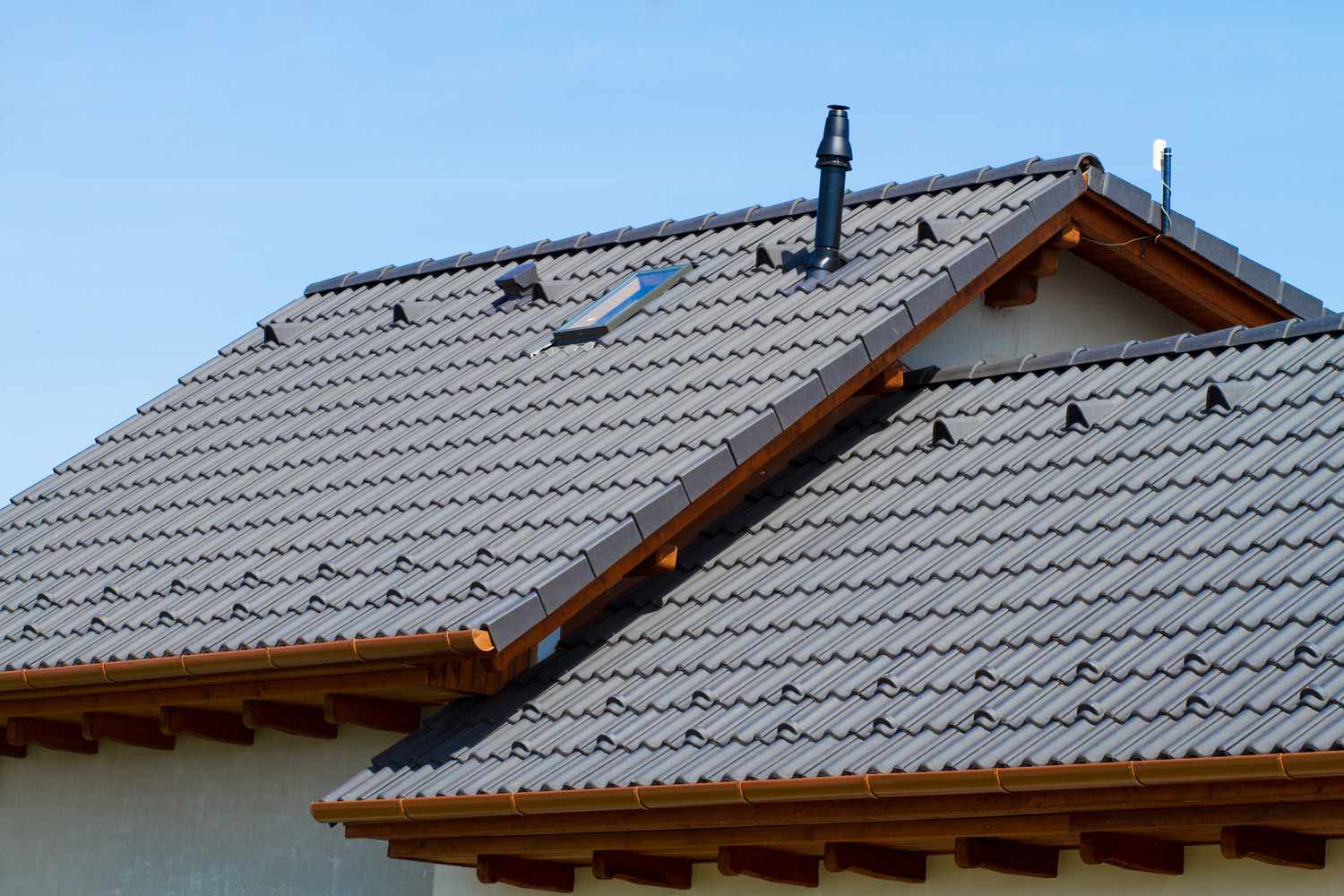
Homeowners should also inspect flashing and seals around chimneys, vents, and skylights. Properly maintained flashing can prevent leaks in vulnerable areas, minimizing repair needs. Seasonal inspections, especially after harsh weather, ensure that minor problems do not escalate into larger issues.
Considering Labor Costs
Labor costs represent a significant portion of reroofing expenses. Homeowners should evaluate multiple contractors, seeking those with experience in affordable roofing solutions. Transparent quotes and clear timelines help manage expectations and avoid unexpected costs.
While selecting the lowest bid may seem appealing, quality should remain a priority. Poor installation can compromise the roof’s lifespan, resulting in additional repairs and expenses. Comparing material quality, warranty options, and contractor expertise ensures that affordability does not come at the expense of long-term reliability.
Energy Efficiency and Insulation
Modern reroofing projects can incorporate energy-efficient materials to reduce heating and cooling costs. Reflective coatings and insulated panels minimize heat transfer, creating a more comfortable indoor environment. While these upgrades may increase initial investment slightly, they can result in significant energy savings over the roof’s lifetime.
Homeowners may also consider ventilation improvements. Proper airflow reduces moisture buildup, preventing mold and extending the roof’s durability. Ventilation enhancements complement affordable materials, ensuring that low-cost solutions remain effective over time.
Timing and Seasonal Considerations
Scheduling reroofing projects during favorable weather conditions can reduce labor costs and improve installation quality. Mild temperatures and dry conditions facilitate safer, more efficient work. In regions prone to winter snow or heavy rainfall, planning projects in spring or early autumn minimizes risks associated with extreme weather.
Advance planning also allows homeowners to source materials at lower prices. Seasonal discounts and promotions can make higher-quality roofing materials more accessible without exceeding the budget.
Local Reroofing Options
Homeowners in specific regions should consider local providers and suppliers for affordable solutions. Local expertise ensures familiarity with regional climate challenges and building codes. For example, residents seeking reroofing in Auckland can benefit from contractors experienced with materials suited to coastal weather, wind conditions, and humidity levels. Local sourcing can reduce transportation costs and support timely project completion.
Long-Term Cost Considerations
Affordable reroofing should not focus solely on initial expenses. Durability, maintenance needs, and potential energy savings influence overall value. Selecting materials with extended lifespans and low upkeep requirements reduces cumulative costs.
Homeowners should weigh short-term savings against potential long-term expenses. While lower-cost options may be tempting, investing slightly more in reliable materials and professional installation often proves cost-efficient over time. The balance between affordability and durability ensures a roof that protects the home effectively for years to come.
Conclusion
Reroofing is an essential aspect of home maintenance, and cost-effective options are available for homeowners willing to plan carefully. Assessing the roof’s condition, selecting appropriate materials, and considering partial solutions can provide significant savings. Preventive maintenance, proper labor selection, and local expertise further enhance affordability and effectiveness.
By understanding the available options and making informed choices, homeowners can achieve durable, well-maintained roofs without overspending. Reroofing decisions that prioritize both cost and quality contribute to property longevity, safety, and overall comfort, ensuring that homes remain protected against the elements for many years.